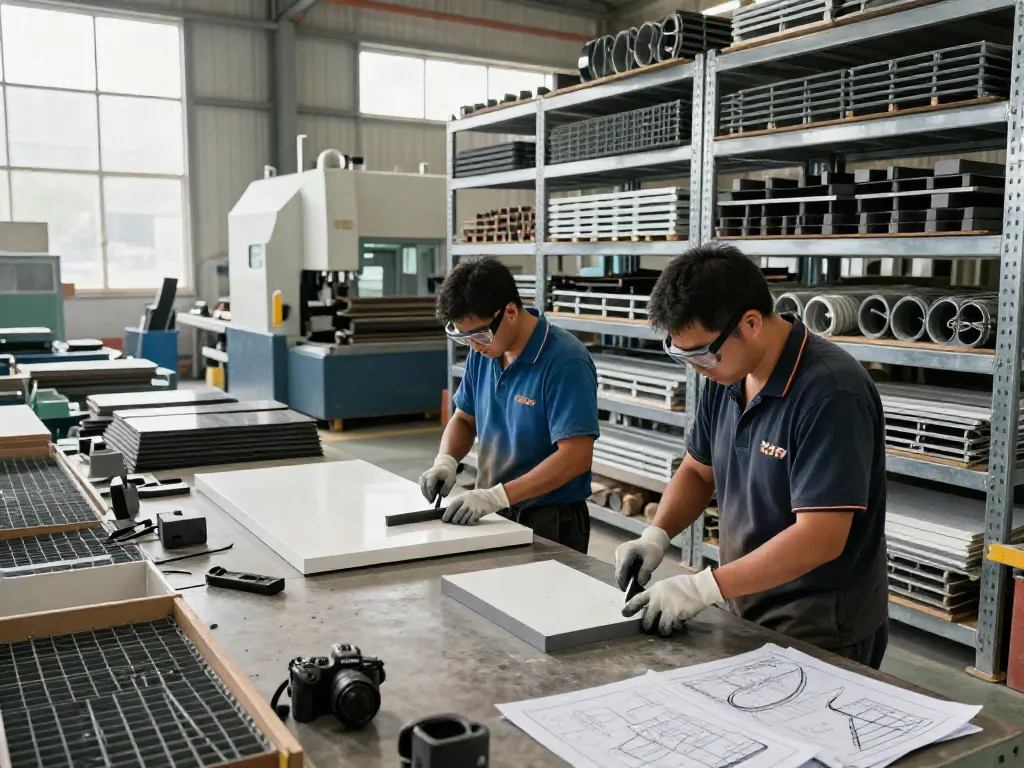
Understanding GRP Manufacturing
Glass Reinforced Plastic (GRP) is a versatile composite material made by embedding glass fibers in a plastic matrix, typically polyester or epoxy resin. GRP manufacturing involves intricate processes where long glass fibers are woven into a mat and coated with resin under a controlled environment, ensuring optimal adhesion and strength. The result is a robust material that offers enhanced durability and performance in various applications. As a prominent GRP Manufacturer in the UK, Engineered Composites exemplifies this technology, serving industries from construction to marine and automotive.
What is GRP and How is it Made?
GRP, or Glass Reinforced Plastic, is a composite material renowned for its strength-to-weight ratio. The manufacturing process begins with the selection of high-quality glass fibers, which are then combined with resin to produce a composite material. The key stages include:
- Fiber Lay-Up: Glass fibers are laid out in predetermined orientations to maximize strength in specific directions.
- Resin Application: The chosen resin is mixed with a hardener and applied to the fibers, filling any voids and ensuring complete coverage.
- Curing: Once the resin is applied, the composite is allowed to cure, hardening into a solid form. This process can be enhanced using heat or pressure.
- Finishing: After curing, the GRP products undergo finishing processes like sanding, painting, or adding protective coatings to enhance aesthetics and performance.
The flexibility in the manufacturing process allows for the creation of various shapes and sizes, making GRP suitable for customized applications.
The Key Advantages of GRP Manufacturing
GRP offers numerous advantages over traditional materials such as steel and aluminum:
- Lightweight: GRP can be up to 70% lighter than steel, making it easier to handle and install.
- Corrosion Resistance: GRP does not rust or corrode, ensuring longevity even in harsh environments.
- Low Maintenance: Minimal upkeep is required, reducing overall lifecycle costs.
- Customizable: GRP can be molded into complex shapes, allowing for innovative designs and applications.
Advantages of Using GRP Products
Comparing GRP to Traditional Materials Like Steel and Aluminium
When comparing GRP to traditional materials such as steel and aluminum, the distinctions become clear:
- Weight: GRP is significantly lighter, easing transportation and installation. This is particularly beneficial in construction and infrastructure projects.
- Corrosion Resistance: Unlike traditional metals, GRP's resistance to chemical exposure and moisture eliminates worries about rust and corrosion, making it ideal for marine and chemical processing applications.
- Electrical Insulation: GRP is a non-conductive material, providing safety benefits in electrical and electronic applications where conductivity is a concern.
These key differences highlight GRP as a forward-thinking choice for modern applications, ensuring both performance and reliability.
Durability and Longevity of GRP Products
GRP is engineered for durability, with products often exceeding a lifespan of 50 years under normal service conditions. This exceptional longevity is attributed to:
- High Strength: GRP maintains structural integrity under load, making it suitable for heavy-duty applications without risk of deformation.
- Impact Resistance: The material can withstand significant impact forces, reducing the likelihood of damage in harsh environments.
- Environmental Stability: GRP is resistant to UV light, chemicals, and thermal fluctuations, ensuring consistent performance in varied conditions.
Environmental Benefits and Sustainability of GRP
With a growing emphasis on sustainability, GRP stands out due to its efficient manufacturing processes, which use less energy compared to metals. Moreover, many GRP products are recyclable, contributing to a circular economy. Key points include:
- Resource Efficiency: GRP production can use recycled materials, minimizing resource extraction.
- Lower Carbon Footprint: The energy required to produce GRP is significantly less than that for steel or aluminum, contributing to lower emissions.
- Recyclability: At the end of their life cycle, GRP products can be recycled, reducing waste and encouraging resource recovery.
Quality Assurance in GRP Manufacturing
Standards and Certifications for GRP Products
Quality assurance is paramount in GRP manufacturing. Engineered Composites adheres to stringent industry standards, including:
- ISO 9001: This certification ensures that our production processes meet international quality management standards.
- BS EN 13706: Compliance with this standard guarantees performance and safety in GRP applications.
- Fire Safety Ratings: Products are tested and certified for fire resistance under BS 476 Part 7, achieving Class 2 ratings.
Quality Control Processes in Manufacturing
To maintain the highest product standards, a robust quality control process is implemented, which includes:
- Raw Material Inspection: All incoming materials undergo rigorous testing to ensure quality and compliance with specifications.
- In-Process Monitoring: Regular checks during production ensure that the manufacturing process remains within defined parameters.
- Final Product Testing: Each product is tested under real-world conditions to validate performance specifications before delivery.
Client Feedback and 5-Star Ratings Analysis
Customer satisfaction is a critical indicator of our success as a GRP manufacturer. Feedback highlights include:
- Product Quality: Consistently high ratings for the durability and performance of GRP products across various sectors.
- Service Efficiency: Rapid response times for quotations and customer inquiries, ensuring projects remain on schedule.
- Technical Expertise: Clients appreciate the knowledgeable support provided for project specifications and implementation.
GRP Products for Outdoor and Structural Use
Weather Resistance and Outdoor Suitability of GRP
GRP products are engineered for outdoor applications, boasting resistance to UV degradation, water ingress, and chemical exposure. This makes GRP ideal for:
- Walkways and Decking: Designed to withstand foot traffic and environmental elements without compromising integrity.
- Fencing and Barriers: Durable and visually appealing solutions for security and delimitation in various settings.
- Marine Applications: GRP's non-corrosive properties make it perfect for docks, piers, and other marine installations.
Structural Integrity of GRP Products in Construction
As a structural material, GRP has gained traction in construction for its lightweight yet strong characteristics. Applications include:
- Reinforcement: GRP rebar is an excellent alternative to traditional steel rebar, providing similar strength with reduced weight.
- Load-Bearing Components: Gratings, profiles, and channels designed for structural applications meet or exceed regulatory standards.
- Modular Systems: GRP's versatility allows for quick assembly and disassembly in temporary structures.
Compliance with UK Building and Fire Safety Regulations
Adhering to UK building regulations and fire safety standards is essential for GRP products used in construction. Products from Engineered Composites are certified to:
- Building Regulations: All products meet relevant structural performance criteria.
- Fire Safety Compliance: Our GRP solutions are rigorously tested to ensure safety in case of fire, providing peace of mind to clients and contractors.
- Sustainability Regulations: Support for low-carbon construction initiatives by adhering to BREEAM and LEED standards.
Getting Started with GRP Orders
How to Request a Quotation from a GRP Manufacturer
Obtaining a quotation from a GRP manufacturer is straightforward. At Engineered Composites, we prioritize rapid response times:
- Contact Form: Fill out our online enquiry form with project details for a swift response.
- Phone Consultation: Speak directly with our technical sales team for tailored advice and pricing.
- Custom Quotes: We provide tailored quotes for unique projects, ensuring you receive the best solutions for your needs.
Understanding Lead Times and Delivery Expectations
Lead times are essential for project planning. Engineered Composites typically offers:
- Standard Lead Time: 1-2 working days for most orders ensures rapid availability.
- Next-Day Delivery: Available for stocked items to minimize downtime on your projects.
- Custom Orders: Discuss specific delivery needs with our team to ensure timely execution.
Customizations and Cut-to-Size Options Available
One of the significant benefits of working with a GRP manufacturer like Engineered Composites is the flexibility in customizations:
- Cut-to-Size Options: We offer products cut to exact specifications, facilitating easier installation.
- Bespoke Solutions: Custom designs to meet specific project requirements, enhancing functionality and aesthetics.
- Documentation Support: All products come with detailed specifications and compliance documentation to simplify your project execution.