

Understanding Health Supplies: An Overview
Health supplies play a pivotal role in our daily lives, serving as essential items that contribute to maintaining and enhancing health. From simple band-aids to complex medical devices, these supplies are fundamental for personal healthcare, safety, and well-being. When exploring options, health supplies encompass a wide range of products designed for various health needs, highlighting their significance in everyday situations.
What Are Health Supplies?
Health supplies refer to a broad category of products that individuals use to promote, maintain, or improve their health. This includes items such as over-the-counter medications, first aid kits, hygiene products, and assistive devices for those with specific health conditions. These supplies are integral to both individual health management and community health initiatives, bridging the gap between healthcare professionals and patients.
The Importance of Health Supplies in Daily Life
The impact of health supplies on daily life can be profound. They empower individuals to take control of their health, manage minor ailments, and prepare for medical emergencies. For instance, having a well-stocked first aid kit can provide peace of mind and ensure quick responses to injuries. Moreover, hygiene supplies, such as hand sanitizers and masks, have become increasingly crucial, especially in the context of global health challenges.
Types of Health Supplies for Various Needs
Health supplies can be categorized into several types based on their use:
- First Aid Supplies: Band-aids, antiseptic wipes, gauze, and medical tape.
- Medications: Over-the-counter pain relievers, cold medications, and prescription drugs.
- Hygiene Products: Soap, sanitizers, toothbrushes, and feminine hygiene products.
- Assistive Devices: Wheelchairs, crutches, and hearing aids.
- Health Monitoring Devices: Blood pressure monitors, glucose meters, and thermometers.
Choosing the Right Health Supplies for Your Needs
Assessing Personal Health Requirements
Before purchasing health supplies, it is essential to assess your specific health requirements. Consider factors such as existing medical conditions, lifestyle, and family health history. Understanding these elements will guide you in selecting the appropriate products that suit your individual needs. For instance, those with allergies may need specialized medications and avoidance strategies, while those managing chronic illnesses might require specific monitoring devices.
Quality vs. Cost: What to Prioritize
When selecting health supplies, a common dilemma arises between quality and cost. While it may be tempting to opt for the cheapest option, especially for everyday items, prioritizing quality is crucial for effectiveness and safety. Investing in higher-quality products can lead to better health outcomes, reduce the risk of complications, and ultimately save money in the long term by minimizing the need for additional healthcare interventions.
Consultations: When to Seek Professional Advice
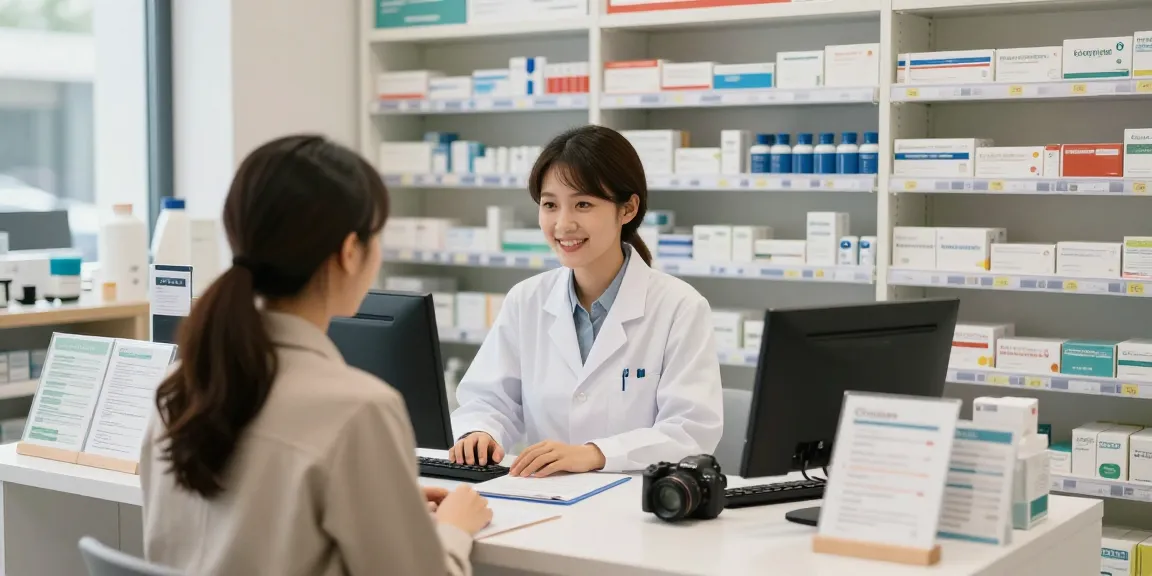
In many cases, consulting with a healthcare professional is advisable when determining which health supplies are suitable for your needs. Pharmacists, doctors, and other health professionals can provide valuable insights and recommendations tailored to your specific circumstances. This can help you avoid common pitfalls, such as purchasing unnecessary or ineffective products.
Common Misconceptions About Health Supplies
Debunking Myths: What You Need to Know
Several misconceptions surrounding health supplies can lead to confusion and poor decisions. One prevalent myth is that all over-the-counter medications are safe for everyone. In reality, many medications can have contraindications based on individual health conditions, making it essential to read labels and consult with a healthcare provider when in doubt.
Understanding Labels and Instructions
Health supplies come with labels and instructions that are vital for safe and effective use. It is crucial to read and understand these materials thoroughly. Proper usage instructions help prevent misuse and ensure that the products deliver their intended benefits. Furthermore, familiarity with expiration dates and storage requirements can prevent health risks associated with expired or improperly stored items.
How Misinformation Affects Purchasing Decisions
Misinformation can significantly impact consumer decisions regarding health supplies. Many individuals may fall prey to marketing claims or anecdotal evidence found online rather than relying on scientific data and professional advice. This can lead to purchasing unsafe or unnecessary products, which ultimately compromises health. Therefore, it is crucial to seek verified information from reputable sources.
Best Practices for Using Health Supplies Effectively
Storage and Maintenance Tips
Proper storage and maintenance of health supplies ensure their effectiveness and safety. For example, medications should be kept in a cool, dry place away from direct sunlight. Additionally, regularly checking supplies for expiration dates and replacing items that are no longer safe to use can prevent health risks. First aid kits should be restocked promptly after use to ensure readiness in emergencies.
How to Incorporate Health Supplies into Your Routine
Integrating health supplies into your daily routine can facilitate better health management. This could involve setting reminders to take medications or incorporating hygiene practices, such as regular hand washing, into your daily activities. Creating a checklist of essential health supplies and placing them in accessible areas can also remind you to use them as needed.
Monitoring Effectiveness: When to Evaluate
It is important to periodically evaluate the effectiveness of health supplies you are using. Keep track of any changes in your health status, and be open to adjusting your supplies based on these observations. For example, if a certain medication does not seem effective after a reasonable trial period, consult a healthcare professional for alternatives or different treatment options.
The Future of Health Supplies: Trends to Watch in 2026
Innovations and Technological Advances
The landscape of health supplies is rapidly evolving, with technological innovations leading the charge. Wearable health tech, such as smartwatches and fitness trackers, are increasingly becoming integral health supplies, enabling individuals to monitor their vital signs and activity levels in real-time. These advancements will likely continue to reshape how we manage our health and interact with health supplies.
Shifts in Consumer Behavior and Expectations
As consumers become more health-conscious, their expectations from health supplies are also changing. There is a growing demand for transparency regarding product sourcing, safety standards, and environmental impact. Brands that emphasize ethical practices and offer sustainable products are likely to gain consumer trust and loyalty.
Integration of Health Supplies in Preventative Care
Preventative care is gaining traction in health management, leading to an increased focus on health supplies that support wellness rather than just treatment. Products like vitamins, dietary supplements, and exercise equipment are becoming essential components of a healthy lifestyle, demonstrating the proactive approach many are taking towards health.
What Are the Environmental Considerations?
With growing awareness of environmental issues, the sustainability of health supplies is becoming a significant concern. Consumers are increasingly looking for eco-friendly options, such as biodegradable packaging and sustainably sourced materials. Manufacturers that prioritize sustainability and take steps to minimize their environmental impact are likely to resonate with the modern consumer.
How Can Health Supplies Contribute to Public Health Initiatives?
Health supplies are not just for individual use; they play a vital role in public health initiatives as well. Vaccination campaigns, health screenings, and awareness programs often rely on the availability of appropriate supplies. By ensuring that communities have access to essential health supplies, we can collectively improve health outcomes and reduce the burden on healthcare systems.