

Understanding the Cultural Landscape of Asia for Spanish Speakers
As globalization continues to transform how cultures interact, it becomes increasingly important for Spanish speakers to engage with Asian cultures. The rise of Asian pop culture, particularly from countries like Korea, Japan, and China, has captivated audiences worldwide, including Spanish speakers. This engagement is not limited to entertainment; it extends to culinary delights, language learning, and social interactions. Platforms like https://hanadultalk.com are paving the way for cultural exchanges, providing Spanish-speaking communities access to rich, diverse content that reflects both worlds.
1. The Rise of Asian Culture in Spanish Media
In recent years, we have witnessed an explosion of interest in Asian culture within Spanish-speaking communities. From K-dramas to anime and Asian cinema, the availability of these cultural exports has dramatically increased. Spanish-language media is beginning to incorporate Asian themes, featuring stories that resonate with audiences who may not be familiar with these cultures. This trend is not just about consumption; it also creates an opportunity for cultural appreciation and understanding.
2. Key Asian Trends Influencing Spanish Communities
- K-Pop: The global phenomenon of K-Pop has led to a surge in Spanish-speaking fans, driving them to explore Korean culture deeply. Music videos, fan interactions, and social media presence foster a vibrant community passionate about not just the music but the cultural context it comes from.
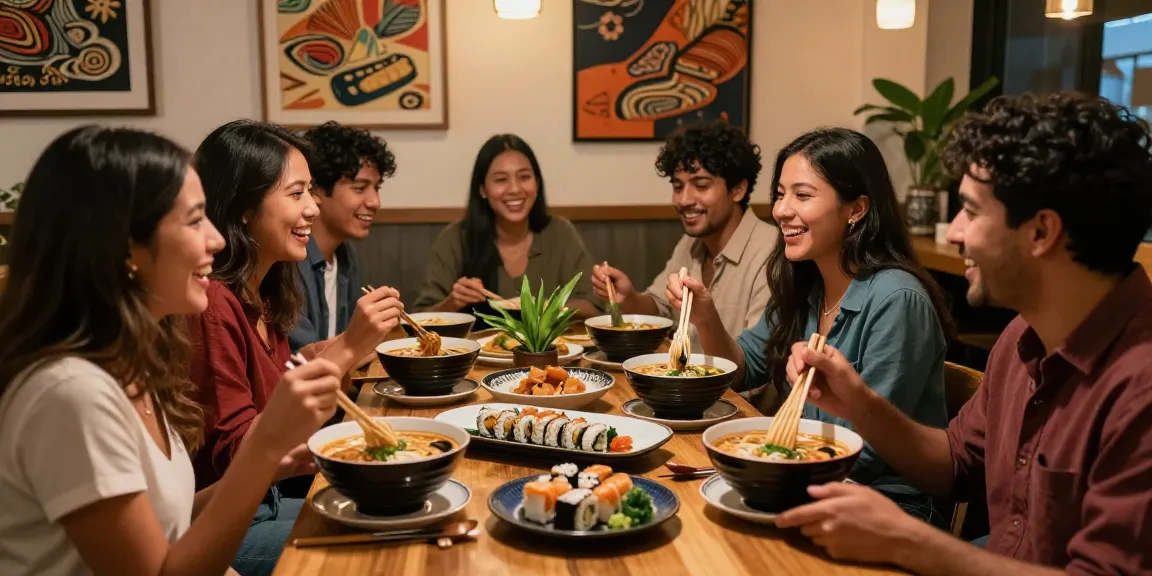
- Culinary Influence: Asian cuisine is becoming a staple in many Spanish-speaking countries. Restaurants offering sushi, ramen, and dumplings are popping up in cities, providing a gastronomic link between cultures. Ingredients and cooking techniques are also being adopted, impacting local culinary practices.
- Technology and Gaming: The gaming industry has a strong influence on the youth, with many popular Asian games being localized into Spanish. This further bridges connections, as it often involves collaboration between cultures, creating a shared experience.
3. Best Practices for Cultural Respect and Engagement
Engaging with another culture requires sensitivity and respect. Here are some best practices:
- Educate Yourself: Before engaging with Asian cultures, take the time to learn about their traditions and values. Understanding the context will help you appreciate the nuances.
- Be Open-Minded: Different cultures have diverse customs and practices. Being open to these differences fosters meaningful connections.
- Participate Actively: Attend cultural events, workshops, or classes that focus on Asian cultures. This active participation helps remove barriers and creates networking opportunities.
Exploring Culinary Delights: Asian Cuisine for Spanish Speakers
For many, food is a primary gateway to exploring a new culture. Asian cuisines are not only diverse but also rich in history and flavor. Spanish speakers can benefit immensely from understanding and experimenting with these culinary traditions.
1. Popular Asian Dishes Translated: A Guide
Knowing the names of Asian dishes in Spanish can enhance the dining experience for Spanish speakers. Some popular dishes include:
- Sushi (Sushi): This famous Japanese dish is adored worldwide and is easily accessible in many Spanish-speaking countries.
- Dumplings (Empanadillas Chinas): Often filled with meat or vegetables, these are a must-try for anyone interested in Chinese cuisine.
- Pho (Pho): This Vietnamese noodle soup has gained popularity, especially in urban areas.
2. Cooking Tips from Asian Chefs in Spanish
Many Asian chefs have begun sharing their culinary knowledge in Spanish, making it easier for Spanish speakers to replicate authentic dishes. Resources include YouTube channels, cooking blogs, and online classes that focus on Asian cuisine, specifically tailored for Spanish-speaking audiences.
3. How to Host a Fusion Dinner Party
Hosting a fusion dinner party can be an excellent way to explore Asian cuisine while sharing it with friends. Here are some tips:
- Incorporate Elements from Both Cultures: For instance, serve sushi alongside traditional Spanish tapas to create a diverse menu.
- Create a Thematic Atmosphere: Use decorations that reflect both cultures, adding a unique touch to your gathering.
- Encourage Participation: Have guests help in preparing certain dishes, making it a fun and interactive experience.
Multicultural Learning: Language and Cultural Exchange
As cultural exchange expands, there’s a growing interest in language learning. Spanish speakers can significantly enhance their understanding of Asian cultures through language.
1. Resources for Learning Spanish through Asian Content
Various platforms exist that offer educational resources tailored to Spanish speakers wanting to learn about Asian culture. Websites, podcasts, and mobile apps can provide language learning integrated with cultural lessons.
2. Interactive Language Learning Opportunities
Engaging with native speakers through language exchange meetups can help Spanish speakers learn Asian languages while sharing their own culture. This reciprocal approach fosters deeper appreciation and understanding.
3. Benefits of Bilingual Education in Cultural Contexts
Bilingual education not only enhances language skills but also broadens perspectives on cultural identities. It promotes cognitive flexibility and empathy, which are essential in today’s interconnected world.
Engaging Content Creation for the Spanish-Speaking Audience
Content creation plays a significant role in promoting cultural exchange. Creating engaging, culturally relevant content helps foster understanding and appreciation of Asian cultures among Spanish speakers.
1. How to Develop Culturally Relevant Articles
When writing articles, it’s crucial to incorporate cultural references that resonate with the target audience. Using relatable language, visuals, and examples can help connect with readers.
2. Visual Storytelling: Best Practices for Mixed Media
Visual elements enhance storytelling. Infographics, videos, and photographs can effectively convey cultural narratives, making them more engaging for Spanish-speaking audiences.
3. Social Media Strategies for Cultural Topics
Utilizing social media platforms to share cultural insights and engage with followers is crucial. Creating hashtags that unite the Spanish-speaking and Asian communities can foster dynamic conversations and promote cultural appreciation.
The Future of Cultural Interactions in 2026 and Beyond
As we look towards the future, it’s essential to consider how cultural interactions will evolve. The global landscape is changing rapidly, influenced by technology and shifting societal norms.
1. Predictions for Asian Influences in Latin America
By 2026, we can expect an even deeper penetration of Asian influences in Latin America. This includes not only entertainment but also enhanced collaboration across various sectors such as technology, education, and business.
2. The Role of Technology in Cultural Exchange
Technology will continue to play a crucial role in facilitating cultural exchange. Virtual reality experiences, online courses, and social media will create immersive opportunities for cultural engagement.
3. Community Building: Connecting Cultures Effectively
Building communities that bridge cultural divides is essential. Through festivals, art exhibits, and culinary events, both Spanish-speaking and Asian communities can come together to celebrate their differences and similarities.
What are the benefits of learning about Asian culture?
Learning about Asian culture enriches personal and professional life, providing insights into diverse perspectives and enhancing social interactions.
How can I integrate Asian cuisine into my meals?
Start by experimenting with simple recipes or visiting local Asian restaurants to discover new flavors and techniques.
What are effective ways to learn Spanish through cultural content?
Engaging with media such as films, music, and literature allows for immersive language learning within a cultural framework.
How is technology influencing cultural exchanges today?
Technology streamlines communication and access to information, making it easier to connect with diverse cultures.
What future trends should I watch in multicultural interactions?
Expect increased collaboration across borders, blending cultures in new ways through technology, arts, and education.