Understanding the Impact of 18+ ai on Creative Industries
The advent of AI technologies has ushered in a transformative era for creative industries, particularly with developments in 18+ ai applications. These technologies not only streamline creative processes but also enhance the capabilities of artists across various domains. As we advance further into 2026, understanding how 18+ ai can reshape artistic expression is crucial for creatives seeking to leverage these tools effectively. When exploring options, 18+ ai provides comprehensive insights into these innovative applications.
What is 18+ ai and Its Applications?
18+ ai refers to artificial intelligence technologies that cater specifically to adult content creation and broader artistic expressions. These tools can generate, curate, and even interactively craft artistic works that appeal to adult audiences. Applications of 18+ ai span a diverse range of creative fields, including digital art, graphic design, music production, and interactive storytelling. By utilizing advanced algorithms and machine learning, artists can create unique, context-driven experiences that were previously unattainable.
The Evolution of AI in Art and Design
The journey of AI within the artistic realm has been marked by rapid innovations. Initially, AI's role was confined to assistance in mundane tasks, allowing artists to focus on their core creative processes. However, as technologies evolved, so did their capabilities. In recent years, AI has started to create original artworks, with algorithms capable of learning individual styles and preferences. This evolution raises questions about authorship and creativity—fundamental concepts in the art world.
Benefits and Opportunities for Creatives
- Enhanced Creativity: 18+ ai tools can inspire artists by providing new ideas and approaches, thus expanding the boundaries of traditional creative expression.
- Increased Efficiency: Automation of repetitive tasks allows artists to devote more time to innovative projects that require their unique touch.
- Accessibility: AI tools lower the entry barrier for aspiring creatives, enabling anyone with a passion for art to explore their potential.
- Market Insights: Data analytics provided by AI can help artists understand trends and audience preferences, tailoring their work for maximum impact.
How 18+ ai Tools Enhance Artistic Expression
Top AI Tools for Digital Artists in 2026
As the landscape of digital art evolves, several AI tools have emerged as leaders. Some of the most noteworthy include:
- DALL-E 3: A powerful image generator capable of creating stunning visuals based on textual descriptions.
- RunwayML: An accessible platform that enables artists to incorporate AI into video editing and visual effects seamlessly.
- Artbreeder: A collaborative art creation tool that allows users to blend images and create unique artworks.
Integrating AI into Your Creative Workflow
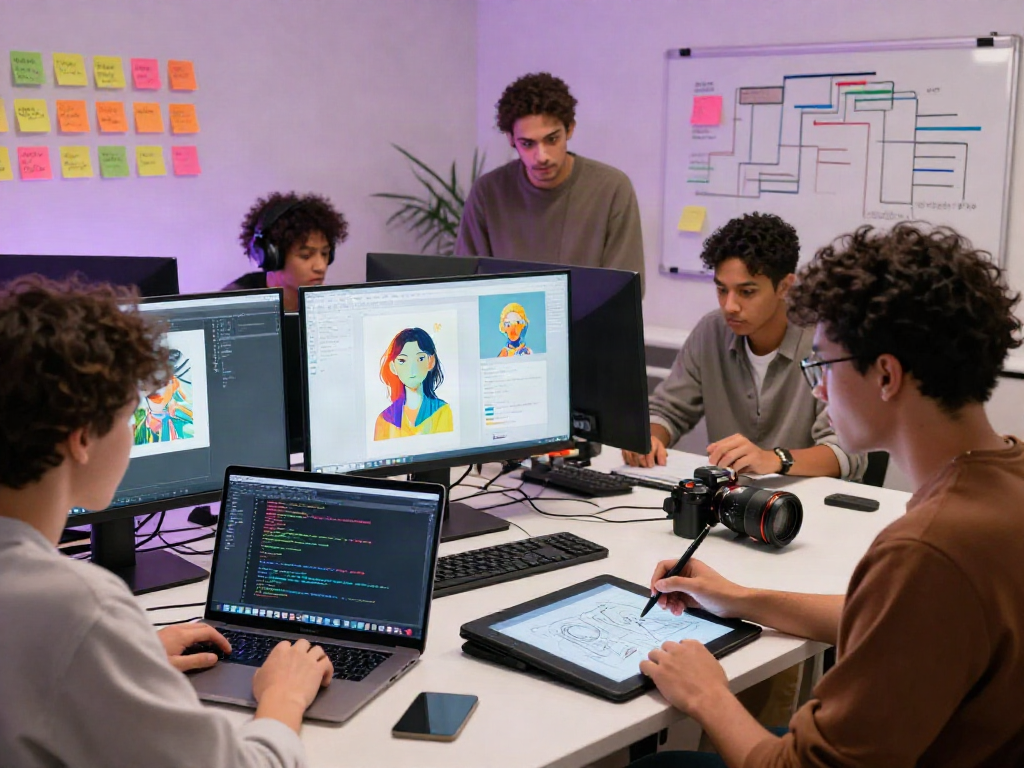
To maximize the benefits of 18+ ai tools, artists should aim to integrate these technologies into their existing workflows. This can be achieved through:
- Experimentation: Encourage yourself to try various tools without the pressure of producing a final product.
- Collaboration: Work with other creatives familiar with AI, sharing insights and techniques to enhance your learning curve.
- Continuous Learning: Stay abreast of new tools and techniques in the 18+ ai landscape through online courses and community forums.
Real-World Examples of Successful AI Artwork
One notable example of AI-generated art is the portrait "Edmond de Belamy," created by the Paris-based art collective Obvious. This AI-generated piece was auctioned at Christie's for an astonishing $432,500, showcasing the potential profitability and appeal of AI artwork. Additionally, artists like Refik Anadol and Mario Klingemann are using AI to create interactive installations that engage viewers in unique ways, pushing the boundaries of how art is experienced.
Common Challenges When Using 18+ ai
Understanding AI Limitations and Misconceptions
While the potential of 18+ ai is vast, it’s essential for creatives to understand its limitations. One common misconception is that AI can fully replicate human creativity. However, AI lacks the personal experiences and emotional reflections that inform true artistic expression. Awareness of these limitations can help artists set realistic expectations when employing AI tools.
Overcoming Technical Hurdles in AI Creativity
Technical challenges are another hurdle for many artists venturing into the realm of AI. Issues such as software bugs, compatibility, and a steep learning curve can be daunting. To overcome these challenges:
- Seek Support: Join online communities where artists share their experiences and solutions regarding AI tools.
- Troubleshooting Guides: Utilize available resources and tutorials provided by the software developers.
Ethics and Copyright Issues with AI-Generated Art
The rise of AI in artistic endeavors brings forth critical ethical considerations. Questions surrounding copyright and ownership of AI-generated works are ongoing discussions in legal circles. Artists must navigate this complex landscape to ensure they respect the rights of original creators while utilizing AI technologies responsibly.
Best Practices for Leveraging 18+ ai in Your Projects
Strategies for Collaborating with AI Technologies
To effectively collaborate with AI technologies, consider the following strategies:
- Define Your Role: Be clear about where human intuition ends and AI begins within your creative process.
- Iterative Design: Use AI tools to generate multiple iterations based on your feedback, refining the output to meet your vision.
Maintaining Authenticity While Using AI Tools
Balancing the use of AI with personal artistic expression is crucial. To maintain authenticity:
- Incorporate Personal Styles: Infuse your unique artistic voice into AI-generated pieces.
- Reflect and Refine: Use AI as a tool for inspiration, but ensure the final output resonates with your perspectives and interpretations.
Tips for Staying Ahead of Trends in AI Art
Staying relevant in the fast-paced world of AI art requires constant vigilance. Here are some tips:
- Follow Industry Leaders: Engage with thought leaders and innovators in the AI art scene to gain insights into upcoming trends.
- Participate in Workshops: Attend workshops and conferences dedicated to AI and creativity to network and learn about new tools.
The Future of 18+ ai in Artistic Endeavors
Emerging Trends and Predictions for 2026
Looking forward to 2026, we anticipate several exciting trends in 18+ ai:
- Greater Personalization: AI tools will enable increasingly tailored artistic experiences based on user preferences.
- Collaboration with Non-Human Creators: Expect to see hybrid projects where human artists collaborate with AI to create compelling narratives.
Investing in Your Skills for the AI-Driven Future
As the role of AI in creative processes expands, so does the need for artists to adapt. Investing in skill development through courses in AI literacy and creative technology will be crucial for success in the coming years.
Engaging with Community and Networking Opportunities
Building a network within the AI art community is invaluable. Engaging with peers, attending exhibitions, and participating in online forums can lead to collaborative projects and shared learning experiences.
What kind of projects can I create using 18+ ai?
With 18+ ai tools, you can explore a variety of projects, including digital portraits, interactive installations, and even music tracks. The only limit is your imagination!
Are there free 18+ ai tools available for beginners?
Yes, many platforms offer free tools and trials for beginners to experiment with AI art creation, such as Artbreeder and DeepArt, which allow users to create and modify images without requiring a subscription.
How does 18+ ai change the role of traditional artists?
18+ ai changes the role of traditional artists by shifting their focus from mere creation to curation and collaboration with AI tools, allowing for a more dynamic artistic process.
What should I consider when choosing an 18+ ai tool?
When selecting an AI tool, consider factors such as user-friendliness, functionality, your specific artistic goals, and community support to ensure a smooth creative process.
Can I sell art created with 18+ ai tools?
Yes, artists can sell AI-generated artwork, but they must navigate copyright laws and understand the terms of use of the AI tools they employ to ensure they retain the rights to their pieces.