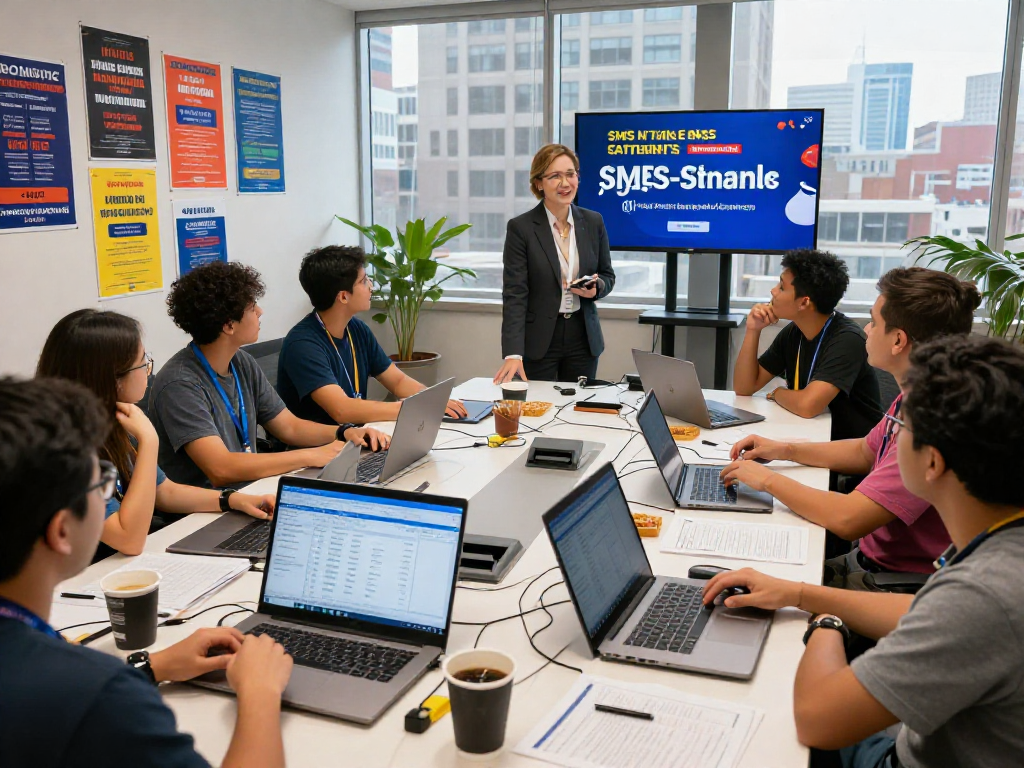
Understanding Political SMS Marketing in 2026
As political campaigns evolve through technological advancements, political SMS marketing has emerged as a transformative tool, reshaping how candidates connect with voters. With a growing reliance on mobile communication, SMS marketing provides unprecedented opportunities for outreach, engagement, and mobilization. As we venture deeper into 2026, understanding the nuances of this dynamic marketing strategy is essential for any candidate aiming to win their district.
What is Political SMS Marketing?
Political SMS marketing refers to the use of text messaging as a means to communicate with voters during political campaigns. This approach allows candidates and their campaigns to send targeted messages directly to constituents' mobile devices, reaching them instantly. Given that a significant percentage of adults own smartphones, SMS marketing offers a personal and immediate line of communication, making it vital for political outreach.
Why SMS Marketing is Crucial for Political Campaigns
One of the primary reasons SMS marketing is crucial for political campaigns is its high engagement rate. Text messages boast an open rate of around 98%, significantly higher than traditional email marketing methods. SMS marketing also allows for direct and immediate communication, enabling campaigns to disseminate important information, reminders, and mobilization calls quickly.
- Immediate Reach: Text messages are typically read within minutes, offering a rapid communication channel.
- High Engagement: With almost everyone carrying their phones, engaging with voters becomes easier.
- Cost-Effective: Compared to other forms of advertising, SMS marketing can be more affordable, especially for targeted segments.
Key Trends in 2026 Political SMS Marketing
As we navigate through 2026, several trends are shaping the landscape of political SMS marketing:
- Personalized Messaging: Campaigns are increasingly using data analytics to create tailored messages that resonate on a personal level.
- Integration with Social Media: Strategies that combine SMS with social media platforms yield greater reach and engagement.
- Two-Way Communication: Political campaigns are embracing interactive SMS marketing, allowing voters to ask questions and respond to messages, fostering greater engagement.
Building Your SMS Marketing Strategy
Creating a successful SMS marketing strategy requires meticulous planning and understanding of your audience. Here are essential steps to consider:
Identifying Your Target Audience
Defining your target audience is critical for effective SMS marketing. Utilize voter data to segment your audience based on demographics, voting history, and engagement levels. This allows for more relevant messaging that speaks directly to the interests and concerns of constituents.
Crafting Compelling SMS Content
Your text messages should be concise yet impactful. Effective SMS content typically includes:
- Clear Calls to Action: Guide recipients on what to do next, whether it's voting, attending an event, or engaging on social media.
- Timely Information: Provide updates about campaign events, deadlines, and critical issues that matter to your audience.
- Personal Touch: Use the recipient's name or specific references to create a connection.
Choosing the Right Timing and Frequency
Timing is essential in SMS marketing. Research shows that messages sent in the early evening or during weekends have higher engagement rates. However, you should also avoid over-saturating your audience with messages; it can lead to opt-outs. A balanced approach with thoughtful timing ensures your messages are received positively.
Data Compliance and Ethical Considerations
In an age of data privacy concerns, maintaining compliance with regulations is non-negotiable. Here’s how to navigate these challenges:
Understanding FEC Regulations for SMS Marketing
The Federal Election Commission (FEC) governs various aspects of political campaigns, including SMS marketing. Campaigns must ensure that every message complies with FEC regulations, such as including identification information and adhering to contribution limits. Staying informed about these regulations is vital for maintaining transparency and legitimacy.
Ensuring Data Privacy and Voter Consent
Before sending SMS messages, obtaining explicit consent from recipients is crucial. Voters should have the option to opt-in to receive messages and understand how their data will be used. This practice not only promotes trust but also aligns with ethical standards in political communications.
Best Practices for Ethical Messaging
To uphold the integrity of your campaign, implement the following best practices:
- Clarity: Be clear about the origin of the messages and the purpose.
- Transparency: Inform recipients about what types of messages they can expect.
- Respect Choices: Always honor opt-out requests promptly.
Measuring Success in SMS Campaigns
Evaluating the effectiveness of your SMS marketing efforts is essential for continuous improvement. Here are key metrics to track:
Key Performance Indicators for SMS Marketing
Establishing clear KPIs helps in assessing your campaign's success. Common indicators include:
- Response Rate: Measure how many recipients engage with your messages.
- Opt-Out Rate: Analyze how many recipients choose to unsubscribe.
- Conversion Rates: Track how many recipients take the desired action, such as voting or attending events.
Analyzing Voter Engagement and Feedback
Feedback gathered through SMS campaigns can provide invaluable insights into voter sentiment. Use polls or surveys in your messages to gauge opinions on key issues, as well as overall campaign effectiveness.
Making Data-Driven Adjustments to Your Campaign
The data collected can inform future SMS marketing strategies, allowing for real-time adjustments. Regularly evaluate your KPIs and audience feedback to refine your messaging, targeting, and overall strategy.
Future Trends in Political SMS Marketing
As technology evolves, so too will political SMS marketing strategies. Here are some trends to watch for:
Emerging Technologies Enhancing SMS Campaigns
The integration of AI and machine learning into SMS marketing will allow for even more personalized and targeted messaging. Automation tools can help schedule messages and respond to voter inquiries effectively.
Predicting Voter Behavior in the Digital Age
Utilizing advanced analytics and predictive modeling will enable campaigns to understand voter behavior more accurately. By analyzing trends, candidates can adjust their strategies proactively to better resonate with their audience.
Preparing for Changes in Regulations and Standards
As data privacy laws evolve, campaigns must stay informed and adapt to new requirements. Anticipating these changes can help maintain compliance and trust with voters.
What are the effective political SMS marketing strategies?
Effective strategies include segmenting your audience, creating personalized messages, and ensuring compliance with regulations. Engaging content and timely communication are also keys to successful campaigns.
How can I increase engagement with my SMS campaigns?
To boost engagement, keep your messages concise and relevant, utilize interactive content, and encourage two-way communication. Building a rapport with your audience fosters a sense of community and involvement.
What compliance issues should I be aware of in SMS marketing?
Stay informed about FEC regulations, ensure voter consent, and prioritize data privacy. Compliance is essential to maintaining the integrity of your campaign and building trust with your constituents.
What metrics should I measure for SMS marketing success?
Focus on metrics like response rates, opt-out rates, and conversion rates to measure the effectiveness of your SMS campaigns. These insights can guide future marketing efforts and improve engagement.
How can I automate my political SMS marketing?
Utilize SMS marketing platforms that offer automation features, allowing you to schedule messages, segment your audience, and analyze results efficiently. Automation enhances effectiveness while saving time and resources.