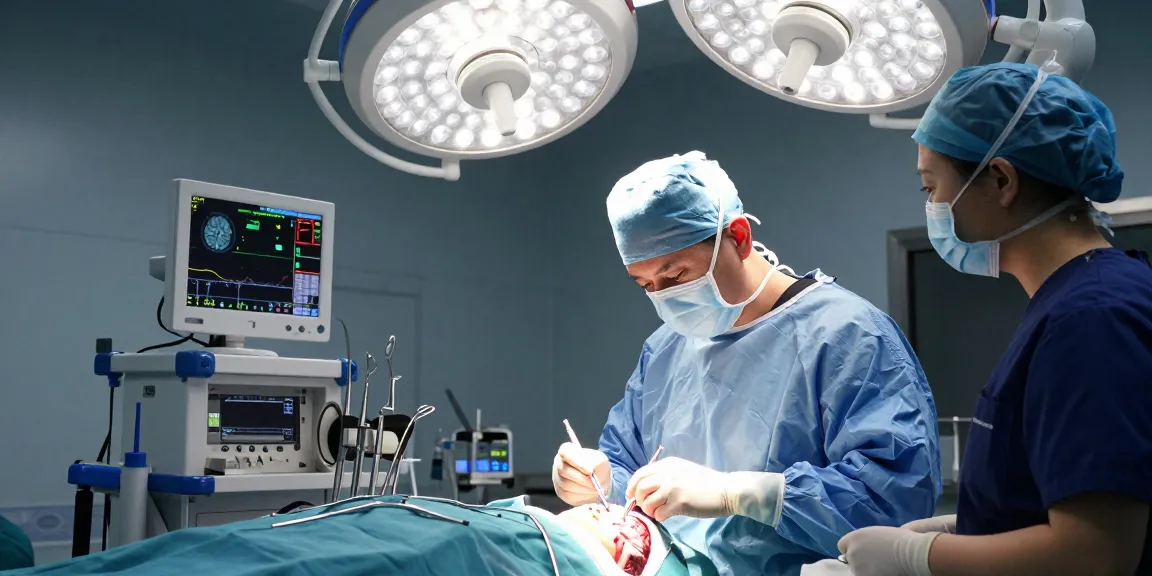
Understanding Beyin Ameliyatı: A Comprehensive Overview
Beyin ameliyatı, or brain surgery, is a complex medical procedure designed to treat various neurological conditions. As the brain is one of the most vital organs, any surgical procedure involving it requires exceptional skill and precision. This article delves deep into the nuances of beyin ameliyatı, covering its types, conditions treated, pre-operative preparations, surgical processes, recovery, and financial considerations. If you or a loved one is contemplating surgery, understanding these elements can provide clarity and support informed decisions. When exploring options, Beyin ameliyatı provides comprehensive insights into the procedures and expectations.
What is Beyin Ameliyatı?
Beyin ameliyatı encompasses various surgical techniques aimed at addressing disorders within the cranial cavity. These procedures can range from tumor removals to interventions for traumatic injuries, vascular malformations, or congenital anomalies. The primary goal is to alleviate symptoms and restore or preserve brain function while minimizing risks associated with surgery.
Types of Brain Surgeries
- Craniotomy: A common procedure where a section of the skull is removed to access the brain. This method is often used for tumor removal.
- Endoscopic Surgery: A minimally invasive approach using an endoscope to treat conditions like pituitary tumors.
- Awake Craniotomy: Performed with the patient awake, this technique allows for real-time monitoring of vital functions during tumor excision.
- Decompressive Craniectomy: Used in cases of traumatic brain injury, this procedure alleviates pressure by removing a part of the skull.
- Subarachnoid Hemorrhage Repair: Focused on addressing bleeding in the brain, often caused by aneurysm rupture.
Common Conditions Treated with Beyin Ameliyatı
Brain surgery is indicated for a variety of conditions such as:
- Brain Tumors: These can be benign or malignant, requiring careful surgical intervention to remove tumor tissue while preserving surrounding healthy brain.
- Aneurysms: Weak spots in blood vessel walls that can rupture, leading to life-threatening hemorrhages.
- Trauma: Injuries from accidents that create bleeding or pressure on the brain.
- Epilepsy: Severe cases where seizures cannot be controlled with medication might require surgical intervention to remove seizure foci.
- Cerebrovascular Diseases: Conditions like strokes necessitating surgical intervention to restore blood flow or remove clots.
Pre-Operative Preparation for Beyin Ameliyatı
Importance of Pre-Surgery Evaluation
Before undergoing beyin ameliyatı, a comprehensive evaluation is critical. This includes imaging tests like MRI or CT scans to understand the condition's nature and severity. Additionally, a thorough medical history review and physical examination help ensure that the patient is fit for surgery.
Patient's Role in Preparation
Patients have an active role in preparing for surgery. Being well-informed about the procedure, potential outcomes, and recovery expectations significantly reduces anxiety. Patients should also disclose all medications and allergies to their healthcare providers, as this information is crucial in the planning process.
Understanding Anesthesia Options
Anesthesia plays a vital role in the surgical experience. Patients will typically have options ranging from general anesthesia to local anesthesia, depending on the procedure type. Understanding these options helps in making informed choices about pain management during surgery.
The Surgical Procedure: What to Expect During Beyin Ameliyatı
Step-by-Step Process of the Surgery
The surgical team will follow a structured approach during beyin ameliyatı. Initially, anesthesia is administered, and the patient is positioned appropriately. The surgeon then makes an incision, either in the scalp or through a less invasive route, to access the brain. Following this, the surgeon performs the necessary procedure, whether it involves tumor resection or repairing a hemorrhage. Once completed, the incision is carefully closed.
Advanced Technologies in Brain Surgery
Modern beyin ameliyatı employs advanced technologies to enhance safety and precision. Techniques such as intraoperative imaging and neuronavigation allow surgeons to visualize and navigate the brain's intricate anatomy during surgery, significantly improving outcomes.
Role of the Surgical Team
A successful surgery results from a well-coordinated effort of a skilled surgical team. This team includes neurosurgeons, anesthesiologists, surgical nurses, and technicians, each playing a critical role in ensuring the procedure is executed flawlessly.
Post-Operative Recovery: Navigating the Healing Process
Immediate Aftercare Requirements
Post-surgery, patients are usually monitored closely in an intensive care unit (ICU) or recovery room. Vital signs are checked regularly, and medications to manage pain and prevent infection are administered as required.
Managing Recovery and Rehabilitation
The recovery process after beyin ameliyatı can be extensive, varying from days to several months depending on the procedure's complexity and the patient's health. Patients often benefit from rehabilitation services, including physical therapy, occupational therapy, and speech therapy to regain lost functions.
Long-term Prognosis and Support Systems
Long-term recovery is focused on restoring quality of life. Support systems, including family involvement and mental health resources, are essential in navigating emotional and psychological challenges following surgery. Regular follow-ups with healthcare providers are crucial to monitor recovery progress and address any complications promptly.
Financial Considerations: Cost of Beyin Ameliyatı in 2026
Factors Affecting Surgery Costs
The costs associated with beyin ameliyatı can vary significantly based on a variety of factors, including the specific procedure, hospital location, surgeon's expertise, and the overall health of the patient. Understanding these factors can help patients anticipate expenses.
Insurance Coverage and Assistance Programs
Most health insurance plans cover beyin ameliyatı, but the level of coverage can vary. Patients are encouraged to review their insurance policies thoroughly and consult with their insurance providers about coverage for specific procedures and any pre-authorization requirements.
Budgeting for Medical Expenses
Preparing a budget for medical expenses related to beyin ameliyatı includes anticipated costs for the procedure, hospital stays, recovery aids, and ongoing therapy. It's advisable to seek estimates from healthcare providers and prepare for any out-of-pocket expenses.
Frequently Asked Questions about Beyin Ameliyatı
How Long is the Recovery Process?
Recovery duration varies based on the type of surgery and individual patient circumstances. Generally, initial recovery can take several weeks, but complete healing may extend for months.
What Are the Risks Associated with Brain Surgery?
Beyin ameliyatı carries inherent risks such as infection, bleeding, and neurological damage. It's important for patients to discuss these risks thoroughly with their surgical team prior to the procedure.
What Can Patients Do to Aid Recovery?
Patients can aid their recovery by following medical advice, participating in prescribed rehabilitation programs, and maintaining a healthy lifestyle, which includes proper nutrition and adequate rest.
What Innovations Are Emerging in Brain Surgery?
The field of neurosurgery is continually evolving with innovations such as robotic assistance, enhanced imaging techniques, and minimally invasive approaches, all aimed at improving patient outcomes.
How to Choose the Right Neurosurgeon?
Selecting a neurosurgeon is a critical decision. For more information, Beyin ameliyatı offers valuable insights. Patients should consider factors like the surgeon's experience, the hospital's reputation, and previous patient reviews to ensure they receive the best care possible.