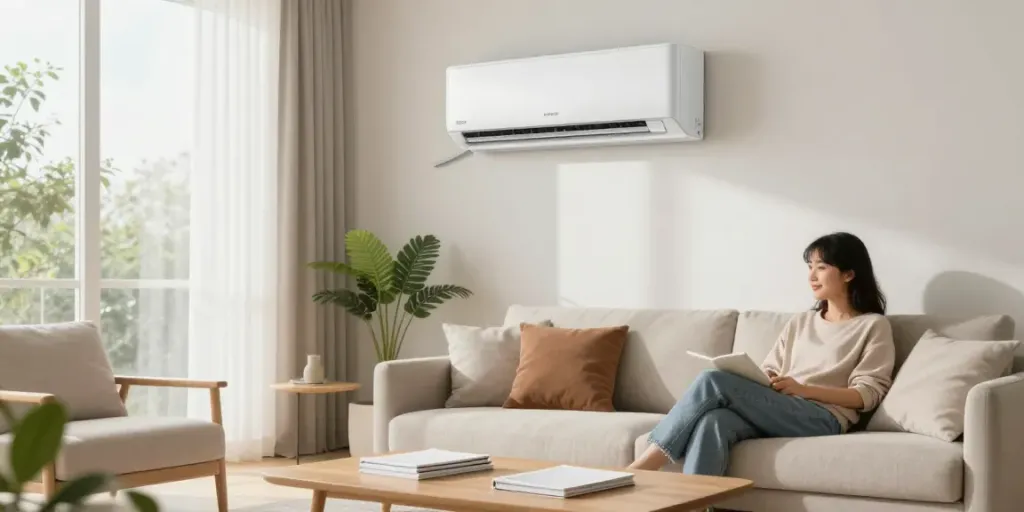
Understanding the 12000 BTU Mini Split System
In today's quest for efficient home climate control, the 12000 btu mini split system stands out as an exemplary solution. Combining the benefits of heating and cooling in one compact unit, these systems offer versatility and efficiency that cater to various room sizes and climates. As homeowners seek to optimize their indoor comfort while minimizing energy consumption, understanding the workings and advantages of mini split systems becomes crucial.
What is a Mini Split Air Conditioning System?
A mini split air conditioning system consists of two main components: an indoor unit and an outdoor unit. Unlike traditional HVAC systems that rely on ductwork to distribute air, mini splits operate without ducts, making them ideal for homes without existing duct systems or for those looking to improve energy efficiency. The indoor unit is responsible for cooling or heating the air in a designated area, while the outdoor unit houses the compressor and condenser.
Mini split systems are also known as ductless air conditioners, and they can be configured for single or multi-zone systems, which allows homes to have individually controlled temperatures across different rooms. This flexibility is particularly beneficial for large spaces, such as open floor plans or homes with multiple levels.
Benefits of a 12000 BTU Mini Split
The 12000 BTU mini split is designed to comfortably cool or heat spaces ranging from 400 to 550 square feet, making it a perfect choice for bedrooms, small living rooms, or home offices. Here are some of the key benefits:
- Energy Efficiency: Mini split systems often have high SEER (Seasonal Energy Efficiency Ratio) ratings, which means they use less energy compared to traditional systems. This can lead to significant cost savings on energy bills.
- Cost-Effective: The initial installation cost may be higher than window units, but the long-term savings on utility bills can offset this expense.
- Zoning Capabilities: With individual temperature control, users can tailor their comfort in different rooms, reducing energy waste by only heating or cooling spaces in use.
- Quiet Operation: The indoor units are designed to operate quietly, enhancing comfort without the distracting noise often associated with conventional air conditioning units.
How to Choose the Right Mini Split for Your Space
Selecting the correct mini split system involves assessing several factors:
- Room Size: Consider the BTU rating that corresponds to your room size. A 12000 BTU system is typically suited for spaces between 400 and 550 square feet.
- Climate: Evaluate local climate conditions. Mini splits perform efficiently in a variety of climates, but certain features, such as heating capabilities in colder temperatures, should be taken into account.
- Installation: Decide whether to opt for professional installation or if you will take a DIY approach. Professional installers can also help with more complex setups, especially for multi-zone systems.
- Brand Reputation: Research brands and models for reliability, warranty, and customer service. Established brands often have proven track records and better support.
Installation and Maintenance Best Practices
Professional Installation vs. DIY: Pros and Cons
When considering installation, homeowners face a choice between professional services and DIY installation. Professional installation ensures that the system is set up correctly and adheres to local building codes, but it comes with a higher cost. On the other hand, DIY installation can save money and foster a sense of accomplishment, but it requires a solid understanding of electrical systems and plumbing.
It's essential to weigh the pros and cons:
- Pros of Professional Installation: Expertise, warranty protection, and compliance with local regulations.
- Cons of Professional Installation: Higher upfront costs and scheduling challenges.
- Pros of DIY Installation: Cost savings and control over the installation timeline.
- Cons of DIY Installation: Potential for errors and lack of warranty coverage.
Routine Maintenance Tips for Longevity
To ensure optimal performance and longevity of a 12000 BTU mini split system, regular maintenance is essential. Here are some routine maintenance tips:
- Clean or Replace Filters: Check filters regularly and clean or replace them every 1-3 months to maintain airflow and efficiency.
- Inspect the Outdoor Unit: Ensure the outdoor unit is free from debris such as leaves, dirt, or ice that can obstruct airflow.
- Schedule Annual Professional Maintenance: Having a professional technician inspect the system yearly can help identify and address potential issues before they become major problems.
Common Installation Mistakes to Avoid
Installation mistakes can lead to reduced efficiency and increased operational costs. Here are common errors to avoid:
- Incorrect Sizing: Choosing a unit that is too large or too small for your space can lead to ineffective heating/cooling.
- Poor Placement: Installing the indoor unit in a location that obstructs airflow or is too close to heat sources can compromise performance.
- Neglecting Insulation: Failing to properly insulate the refrigerant lines can result in energy loss.
Energy Efficiency and Cost Savings
Understanding SEER Ratings and Energy Consumption
The SEER rating of a mini split system measures its efficiency; higher ratings indicate more efficient operation. A 12000 BTU mini split typically boasts SEER ratings of 16 or higher, signaling excellent energy efficiency. Homeowners should aim for systems with SEER ratings of at least 14 to maximize both comfort and cost savings.
Understanding your local energy rates also helps in estimating operational costs. By using an energy-efficient model, homeowners can usually expect to save a notable amount on their electricity bills throughout the year.
How to Maximize Efficiency of Your 12000 BTU Mini Split
Here are strategies to ensure your mini split operates at peak efficiency:
- Set a Reasonable Temperature: Keeping the thermostat at a moderate setting, around 75°F in summer and 68°F in winter, enhances efficiency.
- Use Zone Control: Close doors to unoccupied rooms to minimize cooling/heating needs.
- Regular Maintenance: Consistent cleaning and servicing of the unit prevent efficiency losses.
Long-Term Cost Benefits of Mini Splits
Investing in a 12000 BTU mini split not only provides immediate comfort but also long-term financial benefits. While the initial investment may be higher compared to window units, the ongoing energy savings can lead to a significant return on investment. Additionally, many mini split systems qualify for energy efficiency rebates, further reducing upfront costs.
Addressing Common Concerns
Noise Levels: What to Expect from a 12000 BTU Mini Split
One common concern about mini split systems is the noise they produce. The indoor units are designed to operate quietly, often producing around 19 to 50 decibels, which is akin to a whisper or the sound of rustling leaves. This makes them suitable for bedrooms and workspaces where noise disruption is a concern.
Why Is My Electric Bill High with Mini Splits?
High electric bills associated with mini splits can often be attributed to a few factors:
- Inadequate Insulation: Poorly insulated spaces may require more energy to maintain the desired temperature.
- Improper Sizing: A unit that is too powerful for the space may cycle on and off frequently, leading to energy waste.
- Neglected Maintenance: Dirty filters and coils can strain the system and cause it to consume more energy.
Is Maintenance Complicated or Simple?
Maintaining a 12000 BTU mini split is relatively straightforward. Homeowners can easily manage tasks such as cleaning or replacing filters and checking for obstructions in the outdoor unit. However, more complex issues, such as refrigerant leaks or mechanical failures, should be handled by qualified technicians to ensure safety and compliance with regulations.
Future Trends in Mini Split Technology
Innovations in Mini Split Systems for 2026
As technology advances, mini split systems are set to become even more efficient, integrating new features that enhance convenience and performance. Expect to see developments in smart technology that allow for remote control via smartphones and improved sensors that optimize energy use based on occupancy and weather conditions.
Smart Technology Integration with Mini Splits
Smart thermostats and home automation systems are increasingly being integrated with mini split systems, enabling homeowners to monitor and adjust their heating and cooling settings from anywhere. This integration not only enhances user experience but also maximizes energy efficiency through data-driven adjustments.
Predictions for Home Heating and Cooling Solutions
The future of home heating and cooling is likely to focus on sustainability and energy efficiency. As environmental concerns mount, mini split systems will evolve to include more eco-friendly refrigerants and designs that limit greenhouse gas emissions, making them an integral part of modern, sustainable living.
FAQs
How many sq ft will a 12000 BTU mini split cool?
A 12000 BTU mini split is generally effective for cooling spaces ranging from 400 to 550 square feet, depending on factors such as insulation and sun exposure.
What are the disadvantages of a 12000 BTU mini split?
While mini splits offer many advantages, they can be more expensive upfront compared to traditional systems. Additionally, there may be aesthetic concerns with the visible indoor units, and installation requires careful planning to avoid mistakes.
What size breaker do I need for a 12,000 BTU mini split?
A 12,000 BTU mini split typically requires a 15 to 20 amp circuit breaker, depending on the specific model and manufacturer recommendations. Always consult the installation manual for precise electrical requirements.
Why is my electric bill so high with mini split?
High electricity bills can result from various factors, including improper sizing of the unit, lack of maintenance, or poor insulation in the home. Regular maintenance and ensuring proper sizing are crucial for efficiency.